
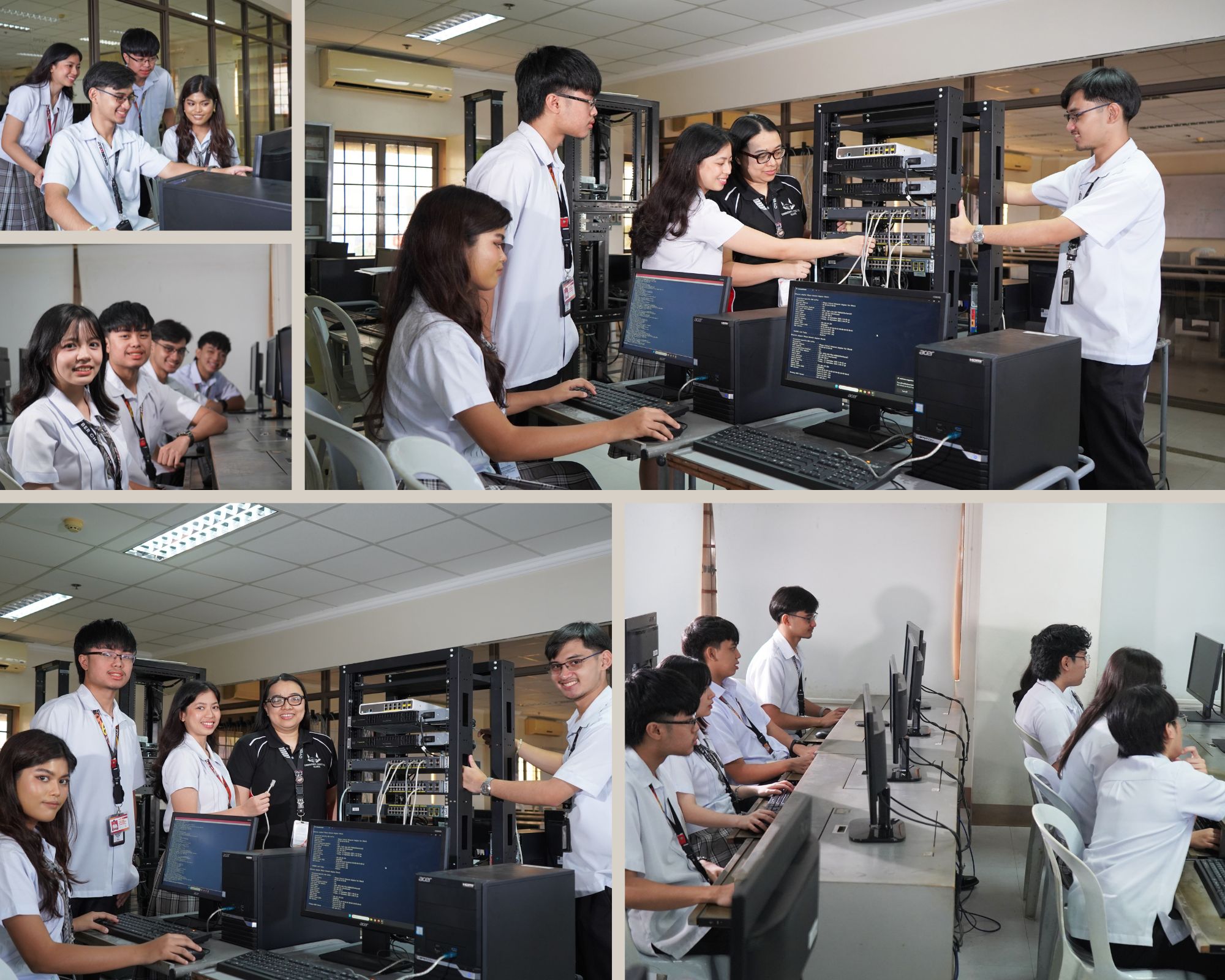



BACHELOR OF SCIENCE IN INFORMATION TECHNOLOGY
The BSIT program of Holy Angel University is an eight-semester program which focuses on the study of utilization of computers and computer software. Graduates are expected to be able to plan, install, customize, operate, manage, administer and maintain information technology infrastructure. The program prepares students for specialization in the areas of networking, web development or multimedia technology to respond rapidly to the dynamic needs of today’s business world through a curriculum that is based on the standards set by the Commission on Higher Education (CHED) and is benchmarked from the curricula of leading academic institutions, national and international, offering similar IT programs.
PROGRAM EDUCATIONAL OBJECTIVES:
BSIT graduates of the School of Computing shall be living testimonies of HAU’s mission to transform its students into persons of conscience, competence and compassion by:
- Advocating the advancement of the computing profession taking into account ethical and professional standards through significant progress in all their endeavors;
- Practicing of community service and development in both professional and personal levels; and
- Promoting and pursuing lifelong learning.
STUDENT OUTCOMES
The degree program in Information Technology takes as its goal to transform students into technically competitive professionals in terms of IT development and innovation with moral and spiritual outlook in serving the community. Upon the fulfilling all the requirements of the program, the students will achieve the following:
- Analyze a complex computing problem and to apply principles of computing and other relevant disciplines to identify solutions.
- Design, implement, and evaluate a computing-based solution to meet a given set of computing requirements in the context of the program’s discipline.
- Communicate effectively in a variety of professional contexts.
- Recognize professional responsibilities and make informed judgments in computing practice based on legal and ethical principles.
- Function effectively as a member or leader of a team engaged in activities appropriate to the program’s discipline.
- Identify and analyze user needs and to take them into account in the selection, creation, integration, evaluation, and administration of computing based systems.
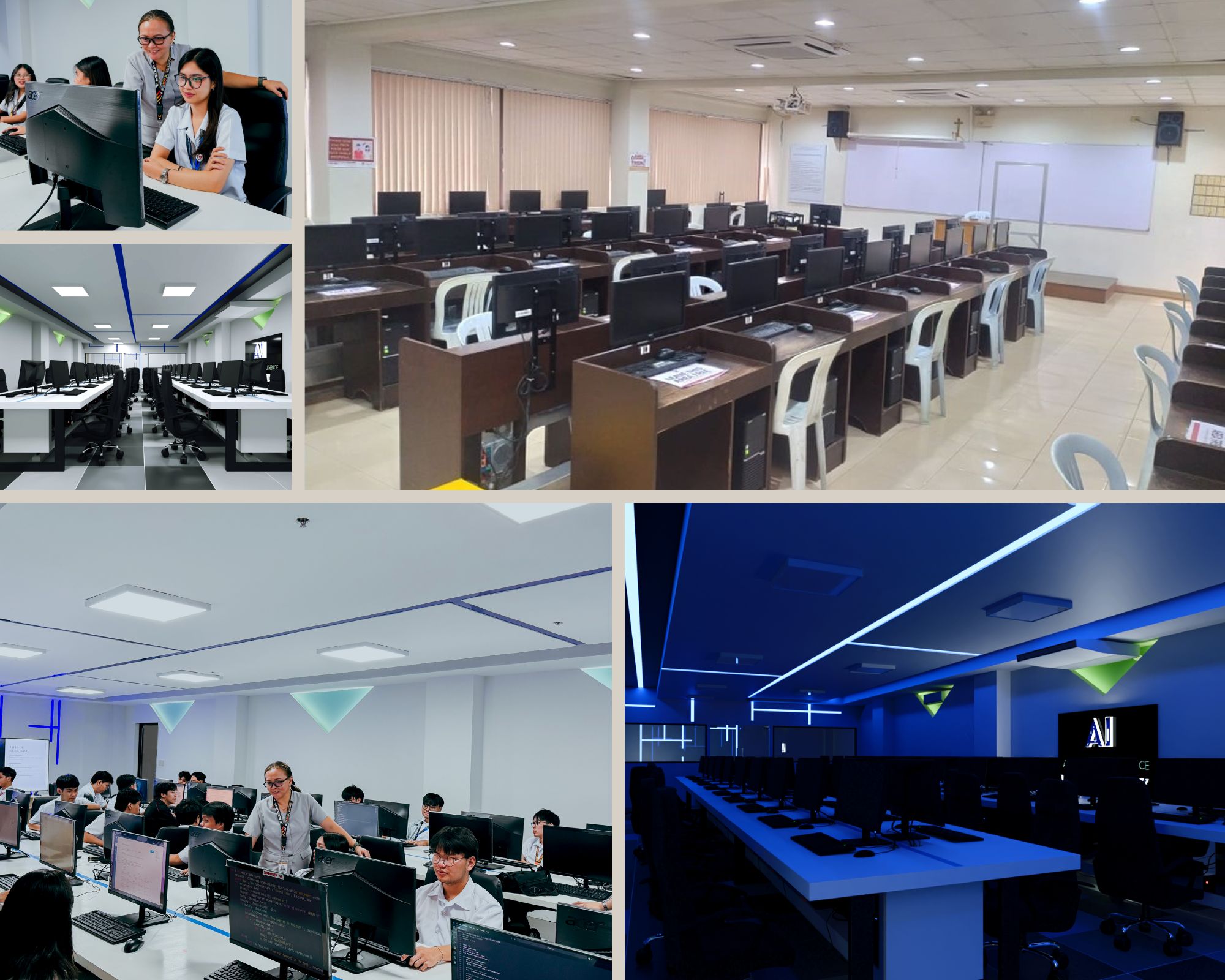
BACHELOR OF SCIENCE IN COMPUTER SCIENCE
The Bachelor of Science in Computer Science (BSCS) program of Holy Angel University is an eight-semester program which focuses on the design and analysis of algorithms, computer architecture, operating systems, structure of programming languages and advanced techniques in computer programming. It is the study of concepts and theories, algorithmic foundations, implementation and application of information and computing solutions. It prepares students to be computing professionals and researchers proficient in designing and developing computing solutions. The courses on database systems, software engineering, artificial intelligence and compilers serve as the groundwork of the students to pursue their major in software development. Coursework also prepares students for other industry-standard international and national certifications such as CCNA, SUN Java and TESDA National Certification tracks.
PROGRAM EDUCATIONAL OBJECTIVES:
BSCS graduates of the School of Computing shall be living testimonies of HAU’s mission to transform its students into persons of conscience, competence and compassion by:
- Advocating the advancement of the computing profession taking into account ethical and professional standards through significant progress in all their endeavors;
- Practicing of community service and development in both professional and personal levels; and
- Promoting and pursuing lifelong learning.
STUDENT OUTCOMES
- Analyze a complex computing problem and to apply principles of computing and other relevant disciplines to identify solutions.
- Design, implement, and evaluate a computing-based solution to meet a given set of computing requirements in the context of the program’s discipline.
- Communicate effectively in a variety of professional contexts.
- Recognize professional responsibilities and make informed judgments in computing practice based on legal and ethical principles.
- Function effectively as a member or leader of a team engaged in activities appropriate to the program’s discipline.
- Identify and analyze user needs and to take them into account in the selection, creation, integration, evaluation, and administration of computing based systems.
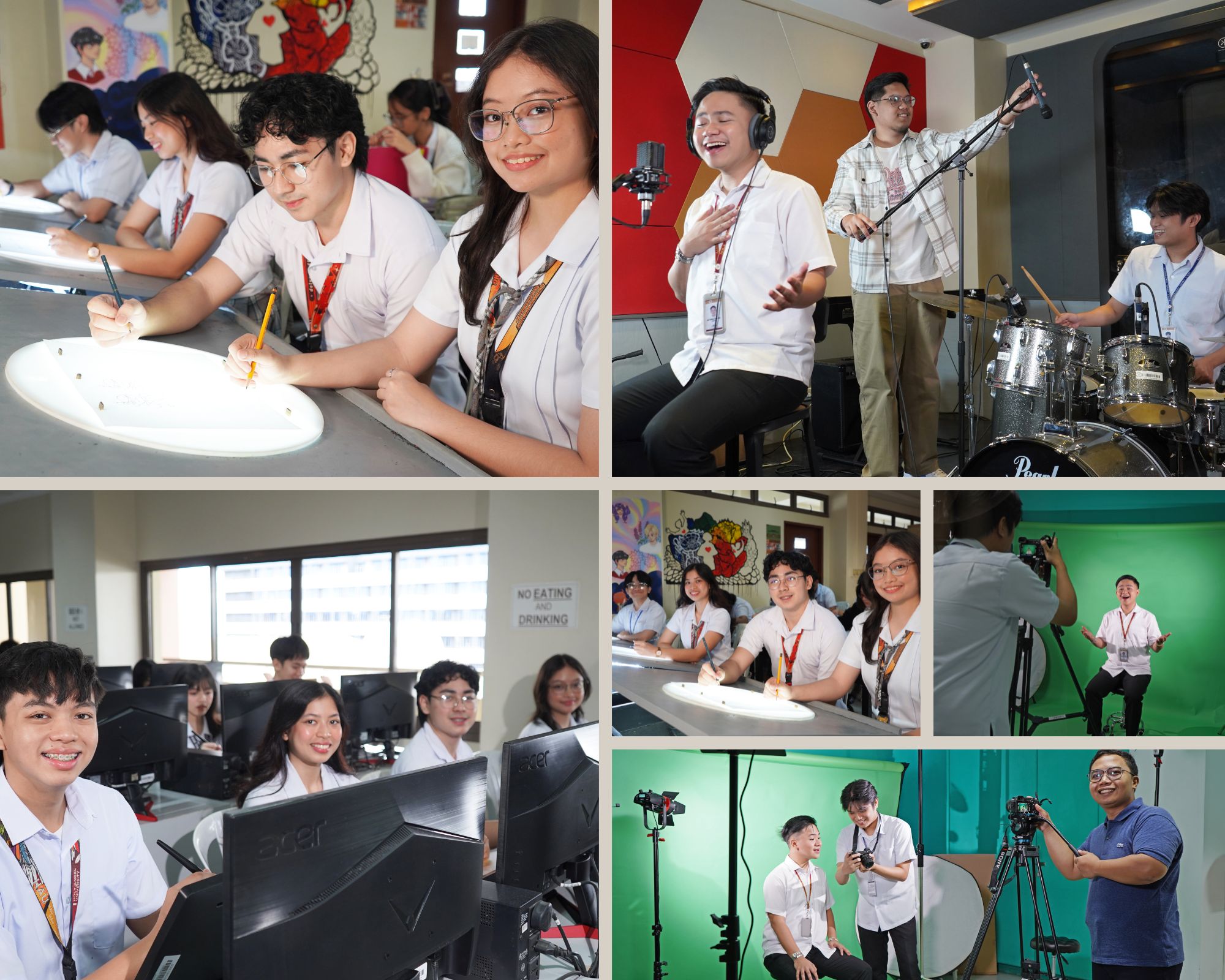
BACHELOR OF SCIENCE IN ENTERTAINMENT AND MULTIMEDIA COMPUTING
The BSEMC program of Holy Angel University is an eight-semester program which focuses on the design and development of entertainment and multimedia materials and projects through creative applications and implementations on the concepts, principles and techniques using various design and production solutions. The program enables students to be knowledgeable and technically sound in the whole pipeline in the production of animation both traditional and digital, creating advertisement and publication designs and layout and other audio-visual presentations and materials following some industry-based standards and approaches to respond rapidly to the dynamic needs of today’s creative world through a curriculum that is based on the standards set by the Commission on Higher Education (CHED) and is benchmarked from the curricula of leading academic institutions, national and international, offering similar programs.
PROGRAM EDUCATIONAL OBJECTIVES:
The School of Computing graduates shall be living testimonies of HAU’s mission to transform its students into persons of conscience, competence and compassion by:
- Advocating the advancement of the computing profession taking into account ethical and professional standards through significant progress in all their endeavors;
- Practicing of community service and development in both professional and personal levels; and
- Promoting and pursuing lifelong learning.
STUDENT OUTCOMES
- Demonstrate competency in developing multimedia projects such as animated stories and clips in different platforms, live-action films, advertisements and other printed materials and publications, and other interactive projects;
- Apply creative and artistic skills at a professional level from the conceptualization to the completion of a project.
- Communicate clearly through oral and visual presentations the concepts and contexts of the various multimedia projects.
- Established and developed flexibility and adaptability when working in a diverse and dynamic team by being open to suggestions and criticisms, optimistic and active participation, constant and significant contributions, innovative problem-solver, goal-oriented behavior.
- Create conducive outputs applicable to different and various audiences through careful study on the context and language used.
- Confidently able to face challenges and provide creative and scientific solutions to the ever-changing demands of community.